
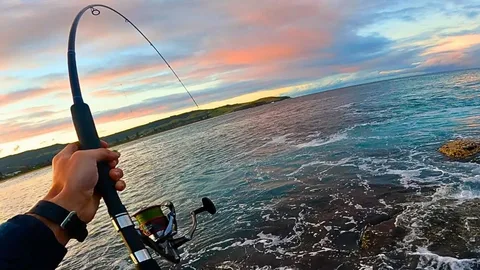

Drummer fishing is one of the most exciting and physically demanding forms of rock and shore angling. Known for their brute strength, stubborn fights, and ability to test even the most experienced anglers, drummer fish—often referred to as blackfish or pigfish in some regions—offer a unique challenge that keeps fishermen coming back for more. Whether you’re a beginner looking to land your first catch or an experienced angler aiming to refine your techniques, understanding the fundamentals of drummer fishing can dramatically improve your success.
What Is Drummer Fishing?
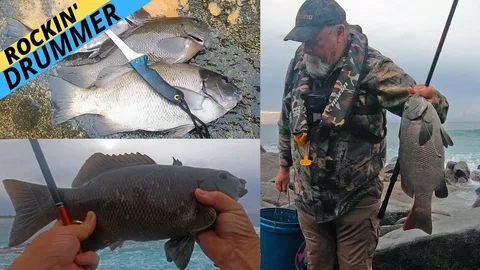
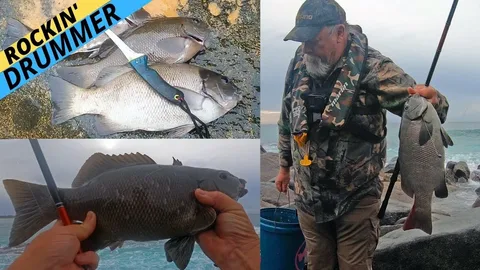
Drummer fishing refers to the practice of targeting drummer fish, a species commonly found in coastal waters, especially around rocky shorelines, reefs, and ocean ledges. These fish are easily recognizable by their dark coloration, thick scales, and powerful bodies. They typically inhabit turbulent waters where waves crash against rocks, making them both accessible and challenging to catch.
The name “drummer” comes from the distinctive drumming or grunting sound they produce using muscles against their swim bladder. This sound is often heard when they are caught, adding to their unique appeal.
Why Drummer Fishing Is So Popular
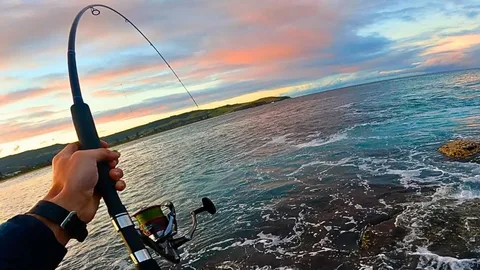
Drummer fishing has gained popularity for several reasons. First, the fight. These fish are incredibly strong and use their environment to their advantage, often trying to dive back into rocky crevices after being hooked. Second, accessibility. Unlike deep-sea fishing, drummer fishing can often be done from shore, making it more convenient and affordable. Finally, they are excellent table fish, known for their firm, white flesh and rich flavor.
Best Locations for Drummer Fishing
Drummer fish thrive in areas with structure and movement. The best locations include:
- Rocky headlands
- Ocean platforms
- Breakwalls and jetties
- Coastal reefs
- Harbors with strong tidal movement
Look for areas where waves break against rocks, creating white water. These turbulent zones are where drummer feed most actively, searching for crustaceans and shellfish dislodged by wave action.
Best Time to Catch Drummer Fish
Timing is crucial when it comes to drummer fishing. While they can be caught year-round in some regions, the best times are typically:
- Early morning and late afternoon
- During rising or falling tides
- After storms, when water is stirred up
- Winter months in many coastal regions
Drummer tend to feed more aggressively in rough conditions, so don’t be discouraged by choppy waters—in fact, embrace them.
Essential Gear for Drummer Fishing
Because drummer are powerful fish that live in rugged terrain, your gear needs to be strong and reliable.
Rod and Reel
A medium to heavy spinning rod between 9 and 12 feet is ideal for rock fishing. Pair it with a durable spinning reel capable of handling heavy line and strong drag pressure.
Fishing Line
Use a monofilament or braided line with a breaking strain of at least 15–30 lbs. Braided line offers better sensitivity and strength, but monofilament provides more stretch, which can help absorb sudden lunges.
Hooks and Sinkers
- Hooks: Size 1/0 to 4/0, depending on bait size
- Sinkers: Use enough weight to hold your bait in turbulent water (ball or bean sinkers work well)
Leader
A strong fluorocarbon or monofilament leader (20–40 lbs) is essential to withstand abrasion from rocks.
Best Baits for Drummer Fishing
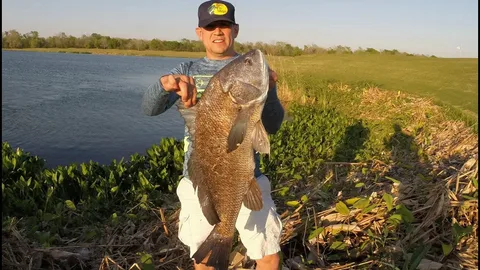
Drummer fish are bottom feeders with a preference for crustaceans and shellfish. The most effective baits include:
- Crabs (especially peeled or half crabs)
- Cunjevoi (sea squirt)
- Bread (surprisingly effective in some areas)
- Prawns and shrimp
- Mussels
Crabs are widely considered the top bait due to their natural presence in drummer habitats.
Techniques for Catching Drummer
Berleying (Chumming)
One of the most effective techniques in drummer fishing is berleying—throwing a mixture of bait particles into the water to attract fish. Bread mixed with water or crushed shellfish works well. The goal is to create a feeding zone that draws drummer closer to your hook.
Casting Strategy
Cast your bait into white water or just beyond breaking waves. Let it sink naturally and keep your line tight enough to detect bites.
Bite Detection
Drummer bites can be subtle at first—small taps or nudges—before turning into a powerful pull. Stay alert and be ready to strike quickly.
Hooking and Fighting
Once hooked, drummer will attempt to return to rocks. Apply firm pressure immediately and try to steer them away from structure. This is where strong gear and quick reflexes are essential.
Safety Tips for Rock Fishing
Drummer fishing often takes place in hazardous environments. Safety should always be your top priority.
- Wear non-slip footwear
- Use a life jacket
- Never fish alone
- Be aware of wave patterns
- Avoid fishing in extreme weather conditions
Many accidents occur due to unexpected waves, so always stay vigilant.
Common Mistakes to Avoid
Even experienced anglers can struggle with drummer fishing. Here are some common pitfalls:
- Using gear that’s too light
- Fishing in calm water instead of white water
- Not using berley
- Delayed hook sets
- Standing too close to dangerous edges
Avoiding these mistakes can significantly increase your chances of success.
Tips for Beginners
If you’re new to drummer fishing, start simple:
- Fish from safer locations like jetties before advancing to rock platforms
- Use bread as bait—it’s cheap and effective
- Observe experienced anglers
- Practice casting in rough conditions
- Be patient—drummer fishing has a learning curve
Cleaning and Cooking Drummer Fish

Once you’ve landed your catch, proper handling ensures the best eating quality.
Cleaning
Scale the fish thoroughly, gut it, and rinse with clean water. Removing the dark bloodline can improve taste.
Cooking Methods
Drummer fish are versatile and can be prepared in various ways:
- Grilled with herbs and lemon
- Pan-fried with butter
- Baked whole with vegetables
- Used in fish stews or curries
Their firm texture holds up well in many recipes, making them a favorite among seafood lovers.
Environmental Considerations
Responsible fishing ensures that drummer populations remain healthy for future generations.
- Follow local fishing regulations
- Respect size and bag limits
- Avoid overfishing
- Dispose of waste properly
- Protect marine habitats
Sustainable practices benefit both anglers and the ecosystem.
Advanced Strategies for Experienced Anglers
For those looking to take their drummer fishing to the next level:
- Experiment with different berley mixtures
- Fish during less popular times for reduced competition
- Use lighter gear for more sport (only in safer areas)
- Study tidal charts and fish behavior patterns
- Keep a fishing log to track successful conditions
Mastering these strategies can turn consistent catches into exceptional ones.
Final Thoughts on Drummer Fishing
Drummer fishing is more than just a hobby—it’s an adrenaline-filled experience that combines skill, patience, and respect for nature. From the thrill of the fight to the satisfaction of a well-earned meal, it offers something for every angler. With the right knowledge, gear, and mindset, you can significantly improve your chances of success and fully enjoy what this unique style of fishing has to offer. Whether you’re casting into crashing waves at sunrise or battling a stubborn fish near rocky ledges, drummer fishing promises excitement every step of the way.