

Introduction
In today’s fast-paced digital world, content consumption has evolved dramatically. People no longer rely solely on traditional media; instead, they turn to online platforms and digital formats that offer flexibility, accessibility, and convenience. Among the most common choices for consuming audio and video content are YouTube and MP3. While YouTube provides a rich, visual experience combined with audio, MP3 focuses purely on audio in a portable and lightweight format. The question “YouTube or MP3?” often arises for users trying to decide the best way to consume or store content. The answer depends on various factors including purpose, convenience, internet access, storage, and user preference. This article explores both formats in depth, comparing their advantages, limitations, and ideal use cases to help you make an informed decision.
Understanding YouTube as a Content Platform
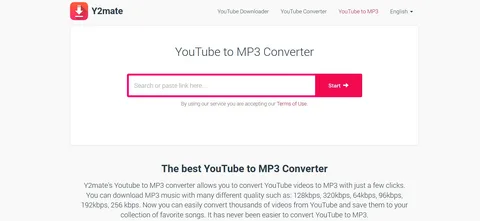
YouTube is one of the largest video-sharing platforms in the world, offering an extensive library of content ranging from music videos and tutorials to documentaries and live streams. It is designed for streaming, allowing users to watch content instantly without downloading it. The platform supports high-definition video and audio, making it ideal for immersive experiences.
One of the key strengths of YouTube is its versatility. Users can watch music videos, learn new skills, follow creators, or stay updated with current events—all in one place. The visual element enhances understanding, especially for educational or instructional content. For example, a cooking tutorial or a technical guide is far more effective when visual cues accompany the audio.
Another advantage is accessibility. YouTube is available on smartphones, tablets, laptops, and smart TVs, making it easy to use across multiple devices. Additionally, features like recommendations, playlists, and subscriptions create a personalized user experience.
However, YouTube also has its limitations. It requires a stable internet connection for streaming unless videos are downloaded through premium features. Streaming video consumes more data compared to audio-only formats, which can be a concern for users with limited data plans. Advertisements can also interrupt the viewing experience unless you subscribe to a premium version.
What Is MP3 and Why It Matters
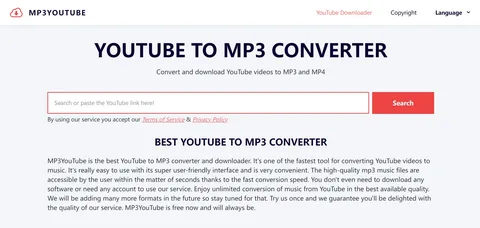
MP3 is a digital audio format that compresses sound files to reduce their size while maintaining acceptable quality. It has been one of the most popular audio formats for decades due to its compatibility and efficiency. Unlike YouTube, MP3 files are typically downloaded and stored on a device, allowing offline access without requiring an internet connection.
The primary advantage of MP3 is portability. Users can store thousands of songs or audio files on a single device without consuming much storage space. This makes it ideal for people who want to listen to music, podcasts, or audiobooks on the go without relying on internet connectivity.
MP3 files are also versatile in terms of compatibility. They can be played on virtually any device, including smartphones, MP3 players, car audio systems, and computers. This universal support ensures that users are not restricted by platform limitations.
Another benefit is uninterrupted playback. Unlike streaming platforms, MP3 files do not include ads or buffering interruptions. Once downloaded, the listening experience is smooth and consistent.
However, MP3 lacks the visual component that YouTube offers. This makes it less suitable for content that relies on visuals, such as tutorials or performances where visuals enhance the experience. Additionally, acquiring MP3 files may require downloading or converting content, which can raise legal and ethical considerations depending on the source.
YouTube vs MP3: Key Differences
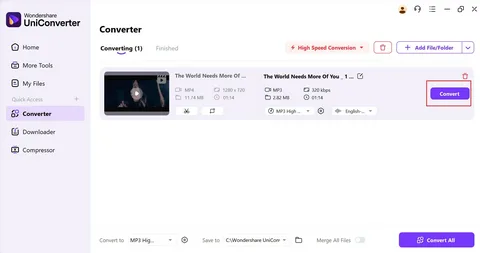
When comparing YouTube and MP3, the differences become clear across several dimensions.
First, content format is a major distinction. YouTube is a video-based platform that includes both audio and visual elements, whereas MP3 is strictly audio-only. This difference significantly impacts how content is consumed and enjoyed.
Second, accessibility varies. YouTube relies heavily on internet connectivity for streaming, while MP3 files can be accessed offline once downloaded. This makes MP3 a better choice for users in areas with limited or expensive internet access.
Third, storage and data usage differ. Streaming YouTube videos consumes more data compared to playing MP3 files. Additionally, storing MP3 files requires device storage, but the file sizes are relatively small compared to video files.
Fourth, user experience plays a role. YouTube offers interactive features such as comments, likes, and recommendations, creating a social and engaging environment. MP3, on the other hand, provides a simple and distraction-free listening experience.
Lastly, quality considerations come into play. YouTube often provides high-quality audio and video, but the quality depends on the internet connection and streaming settings. MP3 files vary in quality based on their bitrate, but high-quality MP3 files can deliver excellent audio performance.
When to Choose YouTube
YouTube is the better option when visual content is essential. For example, if you are watching tutorials, music videos, interviews, or documentaries, the visual element adds significant value. It enhances understanding and engagement, making the content more effective and enjoyable.
YouTube is also ideal for discovering new content. Its algorithm recommends videos based on your interests, helping you explore new topics, creators, and trends. This makes it a powerful platform for entertainment and learning.
Additionally, YouTube is convenient for casual consumption. If you want instant access to a wide range of content without downloading files, streaming on YouTube is the easiest option.
When to Choose MP3
MP3 is the preferred choice for audio-focused activities. If you primarily listen to music, podcasts, or audiobooks, MP3 provides a lightweight and efficient solution. It allows you to enjoy content without distractions or interruptions.
MP3 is particularly useful for offline listening. Whether you are traveling, commuting, or in an area with limited connectivity, having MP3 files stored on your device ensures uninterrupted access to your favorite audio.
Another scenario where MP3 excels is multitasking. Since it does not require a screen, you can listen to MP3 files while working, exercising, or performing other activities without draining your device’s battery as quickly as video streaming would.
Legal and Ethical Considerations
When deciding between YouTube and MP3, it is important to consider legal and ethical aspects. Streaming content on YouTube is generally legal as long as you use the platform as intended. However, downloading or converting YouTube videos into MP3 files without permission may violate copyright laws in many regions.
Users should always ensure that they are accessing or downloading content from legitimate sources. Many platforms offer legal ways to download or stream audio content, including subscription-based services that provide offline access.
Respecting content creators is also crucial. They rely on views, ads, and subscriptions for revenue, and bypassing these systems can impact their earnings.
Impact on Device Performance and Battery Life
Another important factor to consider is how each format affects device performance and battery life. Streaming videos on YouTube requires more processing power and energy, especially when playing high-definition content. This can lead to faster battery drain on mobile devices.
In contrast, playing MP3 files consumes significantly less power. Since there is no video rendering involved, the device can operate more efficiently, resulting in longer battery life. This makes MP3 a practical choice for extended listening sessions.
Storage vs Streaming: Which Is Better?
The debate between storage and streaming is closely tied to the YouTube vs MP3 discussion. Streaming via YouTube eliminates the need for storage but requires a continuous internet connection. This is convenient for users with reliable internet access and unlimited data plans.
On the other hand, storing MP3 files requires initial storage space but provides long-term convenience. Once downloaded, the files can be accessed anytime without relying on external factors.
The choice ultimately depends on user preferences and lifestyle. Some users prefer the flexibility of streaming, while others value the reliability of offline storage.
The Future of Digital Content Consumption
As technology continues to evolve, the line between streaming and downloadable formats is becoming increasingly blurred. Many platforms now offer hybrid solutions, allowing users to stream content online and download it for offline use within the same app.
Advancements in internet infrastructure, such as faster mobile networks, are also making streaming more accessible. However, the demand for efficient and portable formats like MP3 remains strong, especially in regions where internet access is limited or costly.
Artificial intelligence and personalization are further shaping the future of content consumption. Platforms are becoming smarter in recommending content, enhancing user experience, and bridging the gap between different formats.
Conclusion
The choice between YouTube and MP3 ultimately comes down to your specific needs and preferences. YouTube offers a rich, interactive, and visually engaging experience, making it ideal for video-based content and discovery. MP3, on the other hand, provides a simple, efficient, and portable solution for audio consumption, especially in offline scenarios.
Rather than viewing them as competitors, it is more practical to see YouTube and MP3 as complementary formats. Each serves a unique purpose and excels in different situations. By understanding their strengths and limitations, you can choose the format that best suits your lifestyle and content consumption habits.
In the end, the question is not just “YouTube or MP3?” but “What works best for you?” Your answer will depend on how you consume content, where you are, and what you value most—visual engagement or audio convenience.