


Introduction
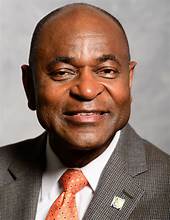
General Larry Ellis stands among the most respected military leaders in modern U.S. history. Known for his unwavering integrity, leadership acumen, and groundbreaking achievements, he has left an indelible mark not only on the U.S. Army but also on corporate leadership and community development. As one of the few African American four-star generals in U.S. history, General Ellis broke barriers and redefined what it means to lead with purpose, courage, and honor. His career reflects dedication to service, a deep sense of responsibility, and an enduring commitment to excellence. In this comprehensive blog, we’ll explore his early life, military career, leadership philosophy, post-retirement accomplishments, and his impact on the global community.
Early Life and Education
Larry Ellis was born on February 10, 1946, in Laurel Hill, North Carolina, during a time when segregation and racial inequality were deeply rooted in American society. Growing up in a small southern town, Ellis faced the challenges of limited opportunities, but his determination and ambition set him apart from an early age. He attended Morgan State University, a historically Black university in Baltimore, Maryland, where he earned his Bachelor of Science degree in Physical Education. It was at Morgan State where Ellis also joined the Reserve Officer Training Corps (ROTC), which would mark the beginning of his lifelong journey in military leadership. Upon graduation in 1969, he was commissioned as a Second Lieutenant in the U.S. Army, beginning a career that would span nearly four decades.
Military Beginnings and Vietnam War Experience
General Larry Ellis began his military service at a time of immense change and challenge for the U.S. Army. He was deployed to Vietnam during the height of the conflict, where he served with distinction as a platoon leader and company commander. His time in Vietnam was formative—shaping his understanding of leadership under pressure and the realities of combat. The experience taught him that leadership was not about rank or authority but about trust, accountability, and courage. Despite the immense dangers of the war, Ellis’s professionalism and commitment to his soldiers earned him respect from both peers and superiors. His leadership during the Vietnam War laid the foundation for a military career characterized by discipline, innovation, and compassion for the people under his command.
Rise Through the Ranks
Following his Vietnam service, Ellis continued to rise through the ranks of the Army, taking on a variety of command and staff positions that showcased his operational and strategic capabilities. He commanded at every level—from company to division—and held key roles that contributed to shaping U.S. military doctrine and readiness. Over the years, he demonstrated a remarkable ability to adapt to evolving challenges, whether managing logistics operations, leading combat training centers, or overseeing international missions. His success was driven by an unrelenting commitment to learning and personal growth. Ellis attended the U.S. Army Command and General Staff College and later earned a Master’s degree in Education from Indiana University, further enhancing his strategic and academic insight into leadership.
Leadership Style and Philosophy
General Ellis’s leadership style is often described as mission-focused, people-centered, and integrity-driven. He believed that leadership is not simply about giving orders—it is about inspiring others to achieve more than they thought possible. His emphasis on teamwork, communication, and moral courage became the cornerstone of his command philosophy. Ellis was known to personally mentor young officers, emphasizing that great leaders are those who put their soldiers’ welfare first. His approach combined empathy with discipline, and he consistently demonstrated a willingness to make difficult decisions while maintaining fairness and respect for everyone under his command. This balance of authority and compassion became a hallmark of his leadership legacy.
Commanding the 1st Armored Division
One of the highlights of General Ellis’s career was his command of the 1st Armored Division, commonly known as “Old Ironsides.” As the commanding general, Ellis led the division through critical periods of post–Cold War operations and readiness exercises. Under his leadership, the 1st Armored Division maintained its reputation as one of the most capable and combat-ready units in the U.S. Army. He emphasized modernization, soldier development, and operational excellence. His strategic foresight ensured that the division was always prepared for deployment, whether for peacekeeping missions or potential combat operations. His tenure with the 1st Armored Division demonstrated his capacity to manage large-scale operations with precision, vision, and decisiveness.
Commanding U.S. Army Forces Command (FORSCOM)
In 2001, General Larry Ellis achieved one of the highest honors in the U.S. Army—being appointed as the Commander of the U.S. Army Forces Command (FORSCOM). This position placed him in charge of over 750,000 soldiers, making him responsible for the readiness, training, and deployment of all Army forces within the continental United States. This role was crucial during a time of global uncertainty following the September 11 attacks, as the U.S. military prepared for major operations in Afghanistan and Iraq. Ellis’s leadership ensured that troops were well-trained, equipped, and ready for the challenges ahead. His ability to coordinate massive logistical efforts and inspire confidence across the ranks solidified his reputation as one of the Army’s most effective leaders.
Breaking Barriers as an African American General
Throughout his career, General Larry Ellis broke racial barriers in an institution that, for much of its history, struggled with diversity and inclusion. His ascent to the rank of four-star general placed him among a small, distinguished group of African American officers who reached the highest levels of command. His achievements not only represented personal success but also symbolized progress for future generations of minority military leaders. Ellis consistently used his platform to advocate for equal opportunity, diversity, and mentorship within the military. His presence and leadership served as a powerful example that talent, discipline, and integrity transcend racial boundaries.
Awards and Decorations
General Ellis’s distinguished service earned him numerous awards and decorations, reflecting his valor, excellence, and contributions to national security. Among his honors are the Defense Distinguished Service Medal, the Army Distinguished Service Medal, the Legion of Merit, and the Bronze Star Medal. He also received multiple commendations and campaign medals recognizing his dedication to duty across various missions. Each of these awards stands as a testament to his courage, professionalism, and unwavering service to his country.
Transition to Civilian Leadership
After retiring from the U.S. Army in 2004, General Larry Ellis transitioned seamlessly into civilian life, continuing his legacy of leadership in the private sector. He became the President and CEO of LSG LLC, a global logistics and business management company based in Atlanta, Georgia. Under his leadership, LSG grew into a respected provider of logistics, project management, and consulting services for both public and private sector clients. Ellis applied his military leadership principles to business operations—emphasizing discipline, accountability, and strategic planning. His ability to inspire teams and drive results demonstrated that great leadership transcends industries.
Board Memberships and Corporate Influence
In addition to his executive roles, General Ellis has served on several corporate and nonprofit boards, lending his expertise in leadership, strategy, and organizational development. He has held board positions with companies such as Dynamic Science Inc., SRA International, and URS Corporation. His insights into leadership, risk management, and team building have made him a valuable advisor in both corporate governance and social impact initiatives. Ellis’s post-military career reflects his continued commitment to service—this time in guiding organizations toward excellence and ethical responsibility.
Advocacy for Veterans and Community Service
Beyond business, General Ellis remains deeply involved in initiatives that support military veterans, education, and community empowerment. He has been a vocal advocate for veterans’ transition programs, ensuring that former service members receive access to employment, healthcare, and educational opportunities. Through speaking engagements and mentorship programs, Ellis continues to inspire young leaders—both military and civilian—to pursue excellence and uphold ethical leadership. His commitment to giving back highlights his belief that leadership is not about titles, but about impact.
Leadership Lessons from General Ellis
Throughout his career, General Larry Ellis has shared invaluable lessons on leadership and life. He often emphasizes that leaders must possess three key qualities: integrity, competence, and compassion. He teaches that integrity forms the foundation of trust; competence ensures effectiveness, and compassion fosters loyalty and unity. His philosophy stresses the importance of preparation and continuous improvement, encouraging leaders to remain adaptable in the face of change. Ellis also believes in servant leadership—putting others’ needs before one’s own to achieve collective success. These timeless principles have inspired countless individuals across industries.
Impact on Military and Corporate Culture
General Ellis’s influence extends far beyond his personal achievements. Within the military, his leadership helped redefine readiness and operational excellence during critical moments in U.S. history. In the corporate world, his approach to disciplined, values-based management has influenced a new generation of executives who view leadership through the lens of service and accountability. His unique combination of military discipline and human empathy has created a blueprint for modern leaders striving to balance results with ethics.
Honors and Legacy
General Larry Ellis’s contributions have been widely recognized through honorary degrees, public honors, and awards for his service to the nation. Universities and leadership organizations have celebrated his lifetime achievements, emphasizing his role as a trailblazer and mentor. His story serves as a source of pride and inspiration not only to African Americans but to anyone who aspires to lead with courage and integrity. His legacy is one of perseverance, excellence, and a deep commitment to both people and purpose.
Personal Life and Values
Despite his high-profile career, General Ellis remains grounded in his personal values. Known for his humility and family-oriented nature, he credits much of his success to the support of his loved ones and the mentors who guided him throughout his journey. His faith and dedication to service continue to shape his worldview. Whether addressing cadets, corporate leaders, or community members, he consistently emphasizes gratitude, hard work, and moral clarity as keys to lasting success.
The Enduring Influence of General Larry Ellis
Today, General Larry Ellis stands as a beacon of leadership excellence whose career continues to influence military officers, executives, and young leaders worldwide. His journey from a small town in North Carolina to the highest ranks of the U.S. Army embodies the power of perseverance and purpose. His example teaches that leadership is not confined to the battlefield—it’s a lifelong commitment to integrity, service, and the betterment of others. General Ellis’s life reminds us that true greatness lies not in authority but in the ability to lead by example and inspire future generations.
Conclusion
General Larry Ellis’s story is one of courage, leadership, and unwavering service to his country and community. From the jungles of Vietnam to the boardrooms of Fortune 500 companies, his influence has transcended boundaries and inspired countless individuals. His legacy reflects a lifetime dedicated to excellence, equality, and empowerment. In both his military and civilian careers, General Ellis demonstrated that leadership is a responsibility to others—a call to serve with honor, integrity, and compassion. As history continues to celebrate his contributions, General Larry Ellis will forever be remembered as a leader who not only commanded armies but also shaped minds, built communities, and left a lasting mark on the world.