
Introduction
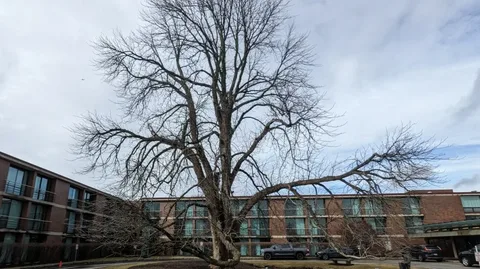
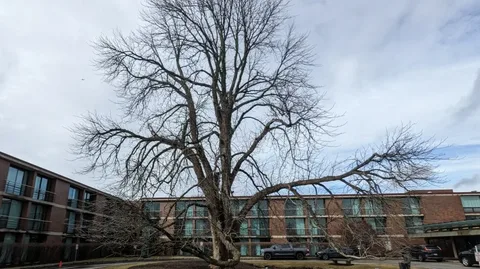
Champion Trees represent the most impressive and extraordinary specimens in the natural world. These trees are recognized for their remarkable size, height, trunk circumference, or overall dominance compared to other trees of the same species. Across forests, parks, and conservation lands, champion trees stand as living monuments to the resilience and beauty of nature. They often live for centuries, surviving storms, climate changes, and human development while continuing to grow and inspire admiration. The concept of champion trees has gained popularity through conservation programs that identify and document the largest trees within specific regions, states, or even globally. By studying these giants, scientists, arborists, and environmentalists learn valuable lessons about biodiversity, forest health, and ecological balance. Champion trees are more than just large plants; they are historical landmarks, wildlife habitats, and symbols of environmental heritage that remind us of the importance of preserving natural ecosystems for future generations.
What Are Champion Trees
Champion Trees are individual trees that have been officially recognized as the largest of their species within a certain area. These trees are typically measured based on three key factors: trunk circumference, total height, and crown spread. The combination of these measurements determines a score that helps identify the champion tree for that species. Organizations and forestry departments often maintain champion tree registries where these impressive specimens are documented and protected. The purpose of recognizing champion trees is not only to celebrate their size but also to promote conservation awareness. Many champion trees grow in public parks, forests, or protected natural reserves where they can be admired and studied by visitors and researchers alike.
The History of Champion Tree Programs
The idea of cataloging the largest trees began decades ago when forestry experts realized the importance of documenting exceptional tree specimens. Early conservationists believed that identifying these giants would help raise public awareness about forest preservation. Over time, national and regional champion tree programs were developed to track the largest trees across different landscapes. These programs encourage citizens, arborists, and nature enthusiasts to report large trees they discover. Once reported, forestry professionals measure and verify the tree before adding it to official records. This process has led to the discovery of countless impressive trees that might otherwise have gone unnoticed.
How Champion Trees Are Measured

Measuring a champion tree requires precise methods to ensure accurate results. Arborists typically evaluate three main characteristics when determining a champion tree’s score. The first measurement is trunk circumference, which is taken at about 4.5 feet above the ground. This measurement indicates the thickness and maturity of the tree. The second measurement is the tree’s height, calculated using specialized tools such as laser rangefinders or clinometers. The third measurement is crown spread, which represents the width of the tree’s canopy from one side to the other. By combining these measurements, experts determine the overall size and ranking of the tree among others of the same species.
The Importance of Champion Trees in Ecology
Champion Trees play a crucial role in forest ecosystems. Their massive size allows them to provide shelter, food, and nesting sites for numerous wildlife species. Birds, insects, mammals, and fungi often depend on large trees for survival. The extensive root systems of champion trees also help stabilize soil and prevent erosion. Additionally, these giant trees store significant amounts of carbon, which helps reduce the effects of climate change. Their presence contributes to the health and stability of surrounding ecosystems by supporting biodiversity and maintaining environmental balance.
Champion Trees as Living History
Many champion trees are hundreds of years old, meaning they existed long before modern cities and roads were built. These trees have silently witnessed generations of human history. Some champion trees grew during times of exploration, colonial expansion, or early settlement. Because of their age and resilience, they are often considered living historical landmarks. Communities sometimes protect these trees as cultural treasures, recognizing their significance not only in nature but also in local heritage.
The Role of Citizens in Discovering Champion Trees
One unique aspect of champion tree programs is the involvement of the public. Anyone who encounters an unusually large tree can report it to forestry organizations for evaluation. This citizen science approach helps expand the search for champion trees across vast landscapes. Nature enthusiasts, hikers, and photographers often discover potential champions while exploring forests and parks. Their observations help scientists locate rare or overlooked tree specimens that may qualify for official recognition.
Famous Champion Trees Around the World
Across the globe, numerous trees have gained recognition for their extraordinary size and age. Some towering redwoods and giant sequoias reach heights of more than 300 feet, making them among the tallest living organisms on Earth. Massive banyan trees spread their branches across large areas, creating natural canopies that resemble entire forests. Ancient baobab trees in Africa store enormous amounts of water in their thick trunks and can live for thousands of years. Each of these remarkable trees demonstrates the diversity and adaptability of plant life on our planet.
Environmental Threats to Champion Trees
Despite their size and strength, champion trees are not immune to environmental threats. Climate change, severe storms, pests, diseases, and human development can all endanger these ancient giants. Urban expansion often leads to habitat loss, which may result in the removal or damage of large trees. In some cases, invasive insects or fungal diseases weaken trees and shorten their lifespans. Protecting champion trees requires careful management and conservation efforts to ensure they continue to thrive.
Conservation Efforts and Protection
Governments, environmental organizations, and forestry agencies work together to protect champion trees and their surrounding ecosystems. Some champion trees are located in protected parks or reserves where they receive special care and monitoring. Conservation programs often educate the public about the importance of preserving large trees and preventing damage from construction or pollution. In certain cases, communities create protective barriers or designate heritage tree status to ensure the long-term survival of these natural giants.
Educational Value of Champion Trees
Champion trees also serve as powerful educational tools. Schools and environmental programs often organize field trips to visit these remarkable trees. Students can observe the scale and complexity of mature forests while learning about plant biology, ecology, and environmental stewardship. Seeing a champion tree in person can inspire curiosity and appreciation for the natural world. It provides a tangible example of how long-lived organisms contribute to the stability and diversity of ecosystems.
Champion Trees and Tourism
In many regions, champion trees attract visitors from around the world. Nature enthusiasts travel long distances to see famous giant trees and experience their immense scale firsthand. Parks featuring champion trees often develop educational trails and viewing areas to accommodate visitors while protecting the trees from harm. Eco-tourism related to champion trees can benefit local communities by promoting sustainable tourism and raising awareness about conservation.
Technology in Champion Tree Research
Modern technology has improved the way scientists study and document champion trees. Tools such as drones, satellite imagery, and laser scanning allow researchers to measure tree height and canopy structure with remarkable accuracy. Geographic information systems help track the locations and environmental conditions of champion trees. These technologies enable scientists to monitor tree health, growth patterns, and environmental changes that may affect these giants over time.
The Cultural Significance of Giant Trees
Throughout history, large trees have held deep cultural and spiritual significance in many societies. Some cultures view giant trees as sacred symbols of strength, wisdom, and longevity. Communities often gather beneath large trees for ceremonies, storytelling, or celebrations. Champion trees continue this tradition by serving as gathering points where people connect with nature and reflect on the passage of time.
How to Identify Potential Champion Trees
Identifying a potential champion tree begins with observation. Trees with unusually large trunks, expansive canopies, or towering heights may qualify for champion status. When a large tree is discovered, basic measurements can be taken to estimate its size. These measurements are then submitted to forestry authorities or champion tree registries for verification. If the tree meets the criteria and surpasses other recorded specimens of the same species, it may officially become the new champion.
Challenges in Maintaining Champion Tree Records
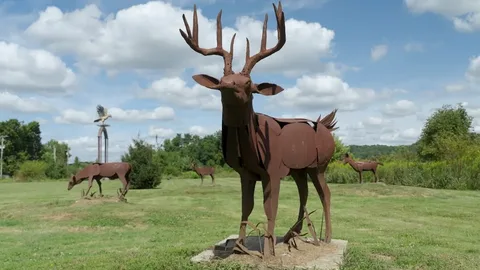
Maintaining accurate champion tree records can be challenging. Trees grow over time, which means measurements must occasionally be updated. Additionally, storms, disease, or old age may cause a champion tree to decline or fall, requiring the registry to identify a new champion. Field verification and re-measurement are necessary to ensure that records remain accurate and up to date.
The Future of Champion Trees
As environmental awareness grows, champion tree programs are becoming more important than ever. Protecting these remarkable trees ensures that future generations will have the opportunity to experience the grandeur of ancient forests. Advances in conservation science, improved forest management practices, and increased public engagement all contribute to safeguarding these natural giants. By recognizing and protecting champion trees, societies demonstrate their commitment to preserving the planet’s ecological heritage.
Conclusion
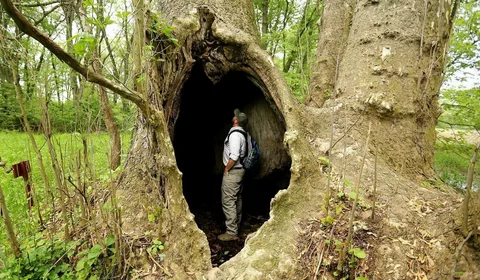
Champion Trees stand as powerful symbols of nature’s strength, endurance, and beauty. These extraordinary specimens represent the largest and most impressive individuals of their species, showcasing the remarkable potential of tree growth over centuries. Beyond their size, champion trees provide ecological benefits, support wildlife, and preserve historical connections to the natural world. Through champion tree programs, conservation efforts, and public participation, these giants are documented, celebrated, and protected. Their presence reminds us that forests are living systems filled with organisms that can survive for generations when given the chance. By appreciating and safeguarding champion trees, humanity helps ensure that these magnificent natural landmarks will continue to inspire awe and respect for nature far into the future.