


Introduction
In today’s modern work environment, where long hours at a desk have become the norm, the need for ergonomic solutions has never been greater. One increasingly popular option is the riser desk, a versatile tool designed to promote better posture, reduce sedentary behavior, and improve overall productivity. But what exactly is a riser desk, and why has it become such a sought-after addition to both home and office setups? This comprehensive guide explores everything you need to know about riser desks, including how they work, their benefits, types, features, and how to choose the right one for your needs.
What Is a Riser Desk?
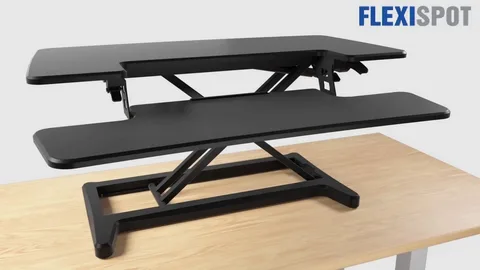
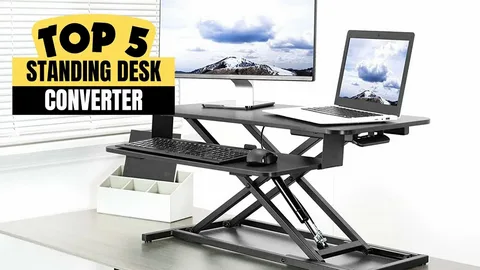
A riser desk, also known as a standing desk converter, is an adjustable platform that sits on top of an existing desk and allows users to switch between sitting and standing positions throughout the day. Unlike full standing desks, which replace your entire workstation, a riser desk enhances your current setup by elevating your monitor, keyboard, and other work essentials to a comfortable standing height. The key purpose of a riser desk is to provide flexibility. With minimal effort, users can raise or lower the platform, enabling them to alternate positions without interrupting workflow. This adaptability makes riser desks an ideal solution for people who want the benefits of a standing desk without the cost or commitment of replacing their current desk.
How Does a Riser Desk Work?
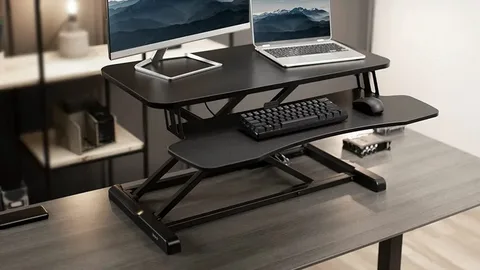
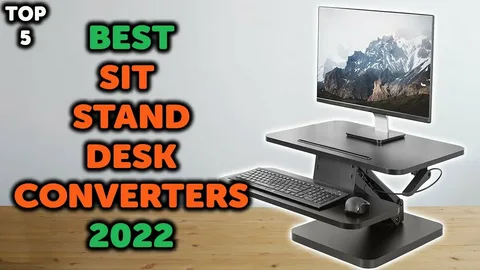
Riser desks operate through various lifting mechanisms that allow smooth height adjustments. These mechanisms can include gas springs, manual levers, electric motors, or simple mechanical hinges. Most models are designed to move vertically, ensuring that both the monitor and keyboard remain ergonomically aligned as the height changes. To use a riser desk, you typically place it on your existing desk, position your monitor and keyboard on the designated platforms, and adjust the height using the built-in controls. Some models feature a single-level surface, while others offer dual-tier designs that separate the monitor and keyboard for better ergonomic alignment. The goal is to maintain a neutral posture whether sitting or standing, minimizing strain on the neck, shoulders, and back.
Benefits of Using a Riser Desk
One of the main reasons riser desks have gained popularity is the wide range of health and productivity benefits they offer. First and foremost, they help combat the negative effects of prolonged sitting. Research has shown that sitting for extended periods can lead to issues such as back pain, poor posture, reduced circulation, and even increased risk of chronic diseases. By allowing users to stand periodically, riser desks encourage movement and reduce sedentary time. Another significant benefit is improved posture. When properly adjusted, a riser desk ensures that your screen is at eye level and your wrists are in a neutral position, which helps prevent slouching and repetitive strain injuries. In addition to physical health benefits, riser desks can also enhance productivity and energy levels. Many users report feeling more alert and focused when standing, which can lead to better work performance. Standing while working may also promote creativity and engagement, particularly during tasks that require active thinking or collaboration.
Types of Riser Desks
Riser desks come in a variety of designs to suit different needs and preferences. One common type is the fixed-height riser, which offers a simple platform for elevating your workspace but does not allow for height adjustments. While these are generally more affordable, they lack the flexibility of adjustable models. Adjustable riser desks are the most popular option, as they allow users to switch between sitting and standing positions easily. These can be further categorized into manual and electric models. Manual risers use levers or handles to adjust height, while electric versions rely on motorized systems for effortless transitions. Another variation is the corner riser desk, designed to fit into L-shaped desks or corner workstations. These models maximize space efficiency and are ideal for users with larger setups. Portable riser desks are also available, offering lightweight and compact designs that can be easily moved or stored when not in use.
Key Features to Consider
When choosing a riser desk, several important features should be taken into account. One of the most critical factors is height adjustability. A good riser desk should accommodate a wide range of heights to ensure ergonomic comfort for different users. Stability is another essential consideration. The platform should remain steady and secure, even when fully extended, to prevent wobbling or accidents. Weight capacity is also important, especially if you plan to use multiple monitors or heavy equipment. Make sure the riser desk can support your setup without compromising performance. Surface area is another key feature. Depending on your workflow, you may need enough space for a monitor, keyboard, mouse, and additional accessories. Dual-tier designs can be particularly useful for maintaining proper alignment between your screen and input devices. Ease of use should not be overlooked. Look for models with smooth and quiet adjustment mechanisms, as well as intuitive controls that allow for quick transitions between positions.
Riser Desk vs. Standing Desk
While riser desks and standing desks share the same goal of promoting healthier work habits, they differ in design and functionality. A standing desk is a complete desk unit that can be adjusted in height, replacing your existing workstation entirely. In contrast, a riser desk is an add-on that sits on top of your current desk. One of the main advantages of riser desks is affordability. They are generally less expensive than full standing desks and do not require significant changes to your workspace. Additionally, riser desks are easier to set up and can be used in a variety of environments, including offices with limited space. However, standing desks often offer greater stability, larger work surfaces, and more advanced features, making them a better choice for users seeking a long-term ergonomic solution.
How to Use a Riser Desk Properly
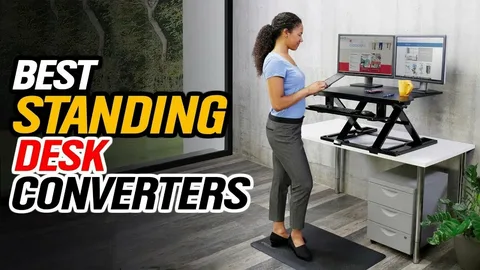
To get the most out of a riser desk, proper usage is essential. Start by adjusting the height so that your monitor is at eye level when standing. Your elbows should be at a 90-degree angle, and your wrists should remain straight while typing. When standing, distribute your weight evenly on both feet and avoid locking your knees. It’s also important to alternate between sitting and standing throughout the day. Experts often recommend a ratio of 1:1 or 2:1, meaning you should spend equal or slightly more time sitting than standing. Incorporating movement, such as stretching or walking, can further enhance the benefits of using a riser desk.
Common Mistakes to Avoid
Despite their advantages, riser desks can be ineffective if not used correctly. One common mistake is setting the height incorrectly, which can lead to discomfort and strain. Another issue is standing for too long without breaks, which can cause fatigue and negate the benefits of the desk. Poor posture is another frequent problem. Even when standing, it’s important to maintain a neutral spine and avoid leaning forward or slouching. Additionally, some users neglect to adjust their monitor and keyboard positions properly, leading to misalignment and discomfort.
Who Should Use a Riser Desk?
Riser desks are suitable for a wide range of users, including office workers, remote employees, students, and anyone who spends long hours at a computer. They are particularly beneficial for individuals experiencing back pain or discomfort from prolonged sitting. Professionals who require flexibility in their work environment, such as designers, writers, and programmers, can also benefit from the adaptability of a riser desk. Moreover, riser desks are an excellent choice for shared workspaces, as they can be easily adjusted to accommodate different users.
Maintenance and Care
Maintaining a riser desk is relatively simple. Regularly check the adjustment mechanism to ensure it is functioning smoothly and free of debris. Clean the surface with a soft cloth to prevent dust buildup, and avoid placing excessive weight on the platform beyond its recommended capacity. If your riser desk includes electronic components, follow the manufacturer’s guidelines for proper care and maintenance to ensure longevity.
Conclusion
A riser desk is a practical and cost-effective solution for improving workplace ergonomics and reducing the negative effects of prolonged sitting. By allowing users to alternate between sitting and standing positions, it promotes better posture, increased energy levels, and enhanced productivity. With a variety of designs and features available, there is a riser desk to suit virtually every workspace and preference. Whether you’re looking to upgrade your home office or create a healthier work environment, investing in a riser desk can be a significant step toward achieving your goals.