

Introduction
In today’s automotive world, safety and performance are no longer separate goals—they are deeply interconnected. One of the most significant innovations bridging this gap is Active Cornering Enhancement (ACE). Designed to improve vehicle stability, handling, and passenger comfort, ACE represents a major leap forward in automotive engineering. Whether you are driving on winding mountain roads, navigating tight urban corners, or maintaining control during sudden maneuvers, this system plays a critical role in ensuring a smooth and controlled driving experience. As modern vehicles become smarter and more adaptive, technologies like Active Cornering Enhancement are redefining what drivers expect from their cars.
What Is Active Cornering Enhancement?
Active Cornering Enhancement is an advanced suspension and stability system that dynamically adjusts a vehicle’s behavior during cornering. Unlike traditional suspension systems that rely on fixed mechanical components, ACE uses sensors, hydraulics, and electronic controls to actively counteract body roll. Body roll occurs when a vehicle leans to one side during a turn due to centrifugal force. While some degree of roll is natural, excessive leaning can reduce tire contact with the road, negatively affecting stability and control. ACE minimizes this effect by applying counteracting forces, keeping the vehicle level and improving traction.
This system is particularly useful in larger vehicles such as SUVs and off-road vehicles, where higher centers of gravity make them more prone to body roll. By actively stabilizing the chassis, ACE enhances both safety and driving confidence.
How Active Cornering Enhancement Works
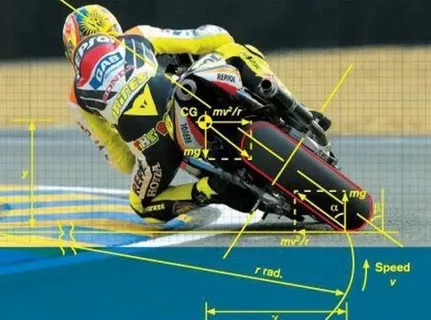
At the heart of Active Cornering Enhancement is a network of sensors that continuously monitor driving conditions. These sensors track parameters such as steering angle, vehicle speed, lateral acceleration, and suspension movement. When the system detects that the vehicle is entering a corner, it calculates the amount of body roll that is likely to occur.
Hydraulic actuators or electric motors are then used to apply force to the anti-roll bars or suspension components. This force counteracts the natural tendency of the vehicle to lean, effectively keeping it more level. The adjustments happen in real time, often within milliseconds, ensuring seamless operation without noticeable delay.
The integration of electronic control units (ECUs) allows the system to adapt to different driving conditions. For example, during aggressive cornering, the system becomes more active, while in normal driving situations, it remains less intrusive to maintain comfort.
Key Components of Active Cornering Enhancement
To fully understand how ACE functions, it is important to look at its main components. Sensors play a crucial role by providing real-time data about the vehicle’s dynamics. These include accelerometers, steering angle sensors, and wheel speed sensors. The control unit processes this data and determines the appropriate response.
Hydraulic pumps or electric actuators generate the force needed to adjust the suspension. Anti-roll bars, which are standard in most vehicles, are enhanced by the system to provide variable resistance. Together, these components create a highly responsive system that adapts to changing conditions instantly.
Benefits of Active Cornering Enhancement

One of the most notable advantages of Active Cornering Enhancement is improved vehicle stability. By reducing body roll, the system ensures that all four tires maintain better contact with the road surface. This leads to enhanced traction and control, especially during high-speed cornering.
Another significant benefit is increased safety. Sudden maneuvers, such as avoiding obstacles or navigating sharp turns, can be challenging without proper stability control. ACE helps drivers maintain control in these situations, reducing the risk of accidents.
Comfort is also greatly improved. Traditional suspension systems often struggle to balance performance and comfort, but ACE achieves both. By minimizing unnecessary movement, passengers experience a smoother ride, even on uneven roads.
Additionally, ACE contributes to better overall driving confidence. Drivers can handle corners with greater precision, making the driving experience more enjoyable and less stressful.
Active Cornering Enhancement vs Traditional Suspension Systems

Traditional suspension systems rely on fixed mechanical setups that cannot adapt to changing conditions. While they are effective in many situations, they have limitations when it comes to dynamic driving scenarios. In contrast, Active Cornering Enhancement offers real-time adaptability.
For example, a conventional anti-roll bar provides a constant level of resistance, regardless of driving conditions. ACE, however, adjusts this resistance based on the situation. This means that the system can provide maximum stability during aggressive driving while maintaining comfort during normal use.
The difference is particularly noticeable in vehicles designed for both on-road and off-road use. ACE allows these vehicles to perform well in a wide range of environments, making them more versatile than those with traditional suspension systems.
Applications in Modern Vehicles
Active Cornering Enhancement is commonly found in premium and high-performance vehicles. It is especially popular in SUVs and luxury cars, where maintaining stability without sacrificing comfort is a top priority. Some manufacturers have developed their own versions of this technology, integrating it with other advanced systems such as adaptive suspension and electronic stability control.
Off-road vehicles also benefit from ACE, as it helps maintain balance on uneven terrain. By adjusting the suspension dynamically, the system ensures that the vehicle remains stable even when driving over rocks, mud, or steep inclines.
Integration with Other Safety Systems

Modern vehicles rely on a combination of technologies to ensure safety, and Active Cornering Enhancement is often integrated with other systems. Electronic Stability Control (ESC), traction control, and adaptive suspension systems work alongside ACE to provide a comprehensive safety net.
For instance, while ACE focuses on reducing body roll, ESC helps maintain directional control by applying brakes to individual wheels. Together, these systems create a highly coordinated response to challenging driving conditions.
Challenges and Limitations
Despite its many advantages, Active Cornering Enhancement is not without challenges. One of the main drawbacks is cost. The technology involves complex components and advanced engineering, making it more expensive than traditional systems. This can increase the overall price of a vehicle.
Maintenance is another consideration. The presence of hydraulic systems or electronic components means that repairs can be more complicated and costly. Additionally, while ACE significantly improves stability, it cannot completely eliminate the effects of extreme driving conditions. Drivers must still exercise caution and follow safe driving practices.
The Future of Active Cornering Enhancement
As automotive technology continues to evolve, Active Cornering Enhancement is expected to become even more advanced. The integration of artificial intelligence and machine learning could enable the system to predict driving conditions and adapt even more effectively.
Electric vehicles (EVs) are also likely to benefit from this technology. With their unique weight distribution and performance characteristics, EVs require advanced stability systems to optimize handling. ACE can play a crucial role in enhancing their performance and safety.
Furthermore, as autonomous driving technology develops, systems like ACE will become essential for ensuring smooth and stable operation without human intervention.
Conclusion
Active Cornering Enhancement represents a significant advancement in automotive technology, combining safety, performance, and comfort into a single system. By actively reducing body roll and improving stability, it allows vehicles to handle corners with greater precision and confidence. While it comes with certain challenges, such as cost and complexity, its benefits far outweigh its limitations. As the automotive industry moves toward smarter and more adaptive systems, ACE is set to play an increasingly important role in shaping the future of driving. Whether you are a casual driver or an automotive enthusiast, understanding this technology provides valuable insight into how modern vehicles achieve their remarkable levels of performance and safety.