
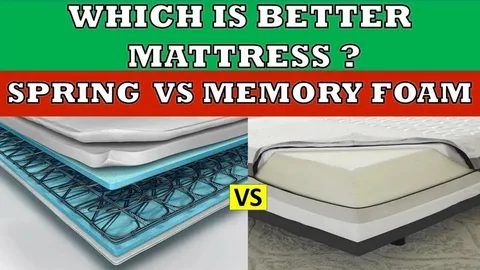

Choosing the right mattress is one of the most important decisions you can make for your health, comfort, and overall quality of life. With so many options available, two of the most popular types—memory foam and hybrid mattresses—often stand out. Each offers unique benefits and drawbacks, making the decision highly dependent on individual preferences, sleeping styles, and budget.
In this in-depth guide, we will explore the differences between memory foam and hybrid mattresses, provide a detailed comparison table, and help you determine which option is best suited for your needs.
What Is a Memory Foam Mattress?
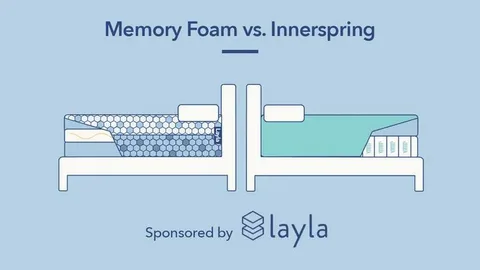
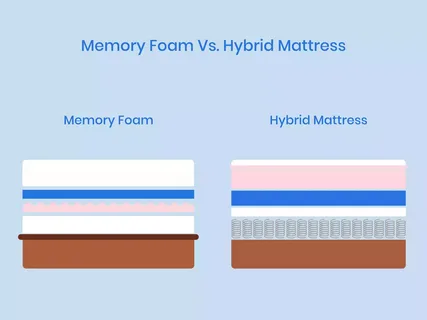
Memory foam mattresses are made from viscoelastic foam, a material originally developed to improve cushioning and pressure absorption. These mattresses are known for their ability to contour closely to the body, providing a “hugging” sensation that evenly distributes weight.
Memory foam reacts to body heat and pressure, allowing it to mold to your shape. Once the pressure is removed, it slowly returns to its original form. This characteristic makes memory foam especially appealing for those who need pressure relief and motion isolation.
Key Features of Memory Foam Mattresses
- Excellent pressure relief
- Strong motion isolation
- Contouring support
- Minimal noise
- Ideal for side sleepers
What Is a Hybrid Mattress?
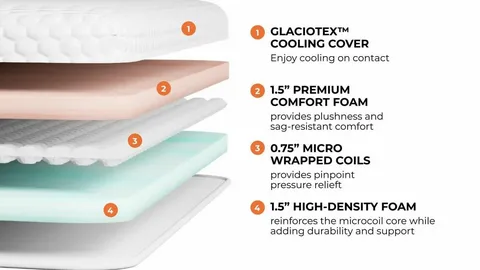
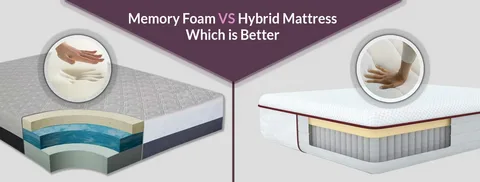
Hybrid mattresses combine two or more support systems—typically memory foam (or latex foam) and an innerspring coil base. The goal is to offer the best of both worlds: the comfort and contouring of foam with the support and responsiveness of coils.
Hybrids usually include multiple layers, such as a comfort layer, transition layer, and a coil support core. These mattresses are designed to provide better airflow, increased bounce, and improved edge support compared to traditional memory foam options.
Key Features of Hybrid Mattresses
- Balanced comfort and support
- Enhanced airflow and cooling
- Responsive surface
- Strong edge support
- Suitable for combination sleepers
Memory Foam vs Hybrid Mattress: Comparison Table
Below is a detailed side-by-side comparison to help you understand the differences more clearly:
| Feature | Memory Foam Mattress | Hybrid Mattress |
|---|---|---|
| Construction | All-foam layers (primarily memory foam) | Combination of foam and innerspring coils |
| Comfort Level | Soft to medium, contouring feel | Medium to firm, balanced feel |
| Support | Conforms closely to body | Supportive with slight contouring |
| Pressure Relief | Excellent | Very good |
| Motion Isolation | Outstanding | Good |
| Temperature Regulation | Can retain heat | Better airflow, cooler sleep |
| Bounce/Responsiveness | Low bounce | High bounce |
| Edge Support | Weak to moderate | Strong |
| Durability | Moderate to high | High |
| Noise | Silent | Slight noise from coils (minimal) |
| Weight | Lighter | Heavier |
| Price Range | Usually more affordable | Typically more expensive |
| Best For | Side sleepers, couples | Back/stomach sleepers, combo sleepers |
Comfort and Feel: Which One Wins?
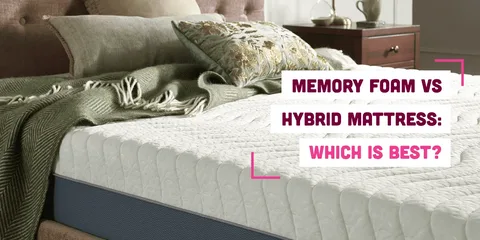
When it comes to comfort, personal preference plays a huge role. Memory foam mattresses provide a deep, body-hugging sensation that many people find comforting. This makes them ideal for individuals who prefer a softer, more enveloping sleep surface.
Hybrid mattresses, on the other hand, offer a more balanced feel. You get some contouring from the foam layers, but the coils provide lift and responsiveness. This prevents the “sinking” sensation often associated with memory foam.
If you like feeling cradled by your mattress, memory foam is likely the better choice. If you prefer sleeping “on” rather than “in” your mattress, a hybrid may suit you better.
Support and Spinal Alignment
Proper spinal alignment is essential for preventing back pain and ensuring restful sleep. Memory foam excels at adapting to your body’s shape, which helps maintain alignment—especially for side sleepers.
Hybrid mattresses provide more structured support due to their coil systems. This makes them particularly beneficial for back and stomach sleepers who need extra reinforcement to keep their spine aligned.
Temperature Regulation and Cooling
One of the most common complaints about memory foam mattresses is heat retention. Traditional memory foam tends to trap body heat, which can make sleeping uncomfortable, especially in warmer climates.
Modern memory foam mattresses often include cooling technologies such as gel infusions, open-cell structures, or breathable covers. However, hybrids still have the upper hand in temperature regulation because their coil systems allow for better airflow.
If you tend to sleep hot, a hybrid mattress is generally the better option.
Motion Isolation: Ideal for Couples
Memory foam is well-known for its superior motion isolation. If your partner moves frequently during the night, you are less likely to feel those movements on a memory foam mattress.
Hybrid mattresses also offer decent motion isolation, but the presence of coils means some movement may transfer across the bed.
For couples, especially light sleepers, memory foam may provide a more disturbance-free experience.
Durability and Longevity
Both mattress types can be durable, but hybrids often last longer due to their robust construction. The coil support system adds structural integrity, reducing the likelihood of sagging over time.
Memory foam mattresses can also be long-lasting, especially high-density models. However, lower-quality foam may break down faster with regular use.
Edge Support and Usability
Edge support refers to how well a mattress holds up around its perimeter. This is particularly important if you sit or sleep near the edge of the bed.
Hybrid mattresses typically offer stronger edge support thanks to reinforced coils. Memory foam mattresses, in contrast, may compress more at the edges, making them feel less stable.
Price and Value
Memory foam mattresses are generally more budget-friendly, making them a popular choice for cost-conscious buyers. Hybrid mattresses tend to be more expensive due to their complex construction and additional materials.
However, the higher price of hybrids often reflects better durability and enhanced features, which may provide better long-term value.
Best Mattress for Different Sleep Positions
Side Sleepers
Memory foam is often the best choice due to its pressure-relieving properties, which cushion the shoulders and hips.
Back Sleepers
Hybrid mattresses provide better support for maintaining spinal alignment.
Stomach Sleepers
Hybrids are generally preferred because they prevent excessive sinking, which can strain the lower back.
Combination Sleepers
Hybrid mattresses offer the responsiveness needed to change positions بسهولة throughout the night.
Pros and Cons Summary
Memory Foam Pros
- Excellent pressure relief
- Great for motion isolation
- Quiet and comfortable
Memory Foam Cons
- Can retain heat
- Less responsive
- Weaker edge support
Hybrid Pros
- Balanced comfort and support
- Better airflow and cooling
- Strong edge support
Hybrid Cons
- Higher cost
- Slight motion transfer
- Heavier to move
Final Verdict: Which Mattress Should You Choose?
There is no one-size-fits-all answer when choosing between memory foam and hybrid mattresses. Your ideal choice depends on your sleep preferences, body type, and specific needs.
If you prioritize pressure relief, motion isolation, and a softer feel, a memory foam mattress is likely the best option. If you prefer a cooler, more supportive, and responsive sleep surface, a hybrid mattress may be worth the investment.
Ultimately, the best mattress is the one that helps you wake up feeling rested, refreshed, and free from discomfort. Take the time to evaluate your sleep habits and test different options whenever possible before making your final decision.