


Introduction
In the ever-evolving world of automotive engineering, safety, performance, and driving comfort are no longer separate goals—they are deeply interconnected. One innovation that perfectly embodies this integration is Active Cornering Enhancement (ACE). Designed to improve vehicle stability, reduce body roll, and enhance handling during turns, ACE represents a significant leap forward in intelligent suspension and control systems. As modern vehicles become more sophisticated, technologies like ACE are redefining how drivers interact with the road, delivering a smoother, safer, and more responsive driving experience.
This article explores Active Cornering Enhancement in depth, including how it works, its benefits, real-world applications, and its role in the future of automotive technology.
What Is Active Cornering Enhancement?
Active Cornering Enhancement is an advanced vehicle dynamics system that actively adjusts a vehicle’s suspension and stability characteristics when cornering. Unlike traditional passive suspension systems that rely on fixed components such as springs and anti-roll bars, ACE uses sensors, actuators, and control units to dynamically respond to driving conditions in real time.
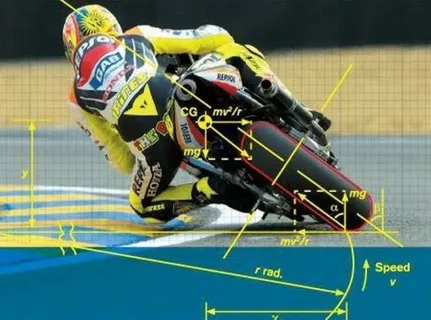
The primary goal of ACE is to minimize body roll—the tilting motion of a vehicle when taking a turn—while maintaining optimal tire contact with the road. This leads to improved traction, better steering precision, and enhanced overall safety.
The Problem with Traditional Suspension Systems
To understand the significance of ACE, it’s important to first examine the limitations of conventional suspension systems. Traditional setups typically use anti-roll bars (also known as sway bars) to reduce body roll. While effective to some extent, these systems have inherent compromises:
- Fixed stiffness: Anti-roll bars cannot adapt to varying driving conditions.
- Reduced comfort: Stiffer setups improve handling but often lead to a harsher ride.
- Limited responsiveness: Passive systems cannot react instantly to sudden changes in driving dynamics.
These limitations become especially noticeable during aggressive cornering, uneven road surfaces, or emergency maneuvers.
How Active Cornering Enhancement Works
Active Cornering Enhancement systems rely on a combination of hardware and software components working in harmony. Key elements include:
Sensors
ACE systems use a variety of sensors to monitor real-time driving conditions, including:
- Steering angle sensors
- Lateral acceleration sensors
- Wheel speed sensors
- Yaw rate sensors
These sensors continuously feed data to the vehicle’s central control unit.
Electronic Control Unit (ECU)
The ECU acts as the brain of the ACE system. It processes incoming sensor data and determines the optimal response to maintain stability and reduce body roll.
Actuators
Actuators are responsible for physically adjusting the suspension system. Depending on the design, these may include:
- Hydraulic actuators
- Electric motors
- Adaptive dampers
They apply counteracting forces to stabilize the vehicle during cornering.
Active Anti-Roll Bars
In many ACE systems, traditional anti-roll bars are replaced or supplemented with active versions that can change stiffness dynamically. This allows the system to provide maximum roll resistance during cornering while remaining soft and comfortable during straight-line driving.
Key Benefits of Active Cornering Enhancement

Improved Vehicle Stability
ACE significantly enhances stability by counteracting body roll in real time. This ensures that the vehicle remains balanced, even during sharp turns or high-speed maneuvers.
Enhanced Driving Comfort
Unlike rigid suspension setups, ACE adapts to driving conditions, offering a smoother ride on straight roads and firm control during cornering.
Better Tire Contact and Traction
By minimizing body roll, ACE ensures that all tires maintain consistent contact with the road surface, improving grip and reducing the risk of skidding.
Increased Safety
Improved stability and traction directly translate to safer driving, especially in emergency situations such as sudden lane changes or obstacle avoidance.
Optimized Performance
For performance-oriented vehicles, ACE provides sharper handling and greater responsiveness, making driving more engaging and precise.
Applications in Modern Vehicles
Active Cornering Enhancement is commonly found in premium and high-performance vehicles, though it is gradually making its way into mainstream models. It is particularly beneficial in:
- SUVs and crossovers, which have a higher center of gravity
- Sports cars requiring precise handling
- Luxury vehicles prioritizing comfort and stability
Automakers often integrate ACE with other advanced systems such as adaptive suspension, traction control, and electronic stability control to create a comprehensive vehicle dynamics package.
ACE vs. Other Stability Technologies
While ACE focuses on reducing body roll and improving cornering, it works alongside several other technologies:
Electronic Stability Control (ESC)
ESC helps prevent loss of control by selectively braking individual wheels. ACE complements ESC by maintaining better physical stability.
Adaptive Suspension Systems
Adaptive suspension adjusts damping levels, whereas ACE actively controls roll dynamics. Together, they provide a balanced ride and handling experience.
Torque Vectoring
Torque vectoring distributes power between wheels to improve cornering. ACE enhances this by ensuring optimal chassis stability.
Challenges and Limitations
Despite its advantages, Active Cornering Enhancement is not without challenges:
Cost
ACE systems are complex and expensive, making them more common in higher-end vehicles.
Maintenance
The added complexity can lead to higher maintenance costs, especially if hydraulic components are involved.
Weight and Energy Consumption
Some ACE systems add extra weight and may consume additional energy, particularly hydraulic versions.
The Evolution of ACE Technology
Early versions of Active Cornering Enhancement relied heavily on hydraulic systems, which, while effective, were energy-intensive. Modern systems are increasingly moving toward electromechanical solutions, which offer:
- Greater efficiency
- Faster response times
- Reduced maintenance requirements
With advancements in artificial intelligence and machine learning, future ACE systems may become even more predictive, anticipating driver behavior and road conditions before they occur.
The Role of ACE in Autonomous Driving
As the automotive industry moves toward autonomous vehicles, systems like Active Cornering Enhancement will play a crucial role. Self-driving cars require precise control and stability at all times, and ACE provides the necessary foundation for:
- Smooth and predictable handling
- Enhanced passenger comfort
- Improved safety in complex driving scenarios
By integrating with autonomous driving algorithms, ACE can help ensure that vehicles respond optimally to every situation.
Environmental and Efficiency Considerations
Modern ACE systems are being designed with sustainability in mind. Electric actuators and energy-efficient components are reducing the environmental impact of these systems. Additionally, improved vehicle stability can lead to more efficient driving, indirectly contributing to better fuel economy or battery performance.
Future Trends in Active Cornering Enhancement
The future of ACE is closely tied to broader trends in automotive innovation:
Integration with Smart Systems
ACE will increasingly integrate with connected vehicle technologies, using real-time data from other vehicles and infrastructure to optimize performance.
AI-Driven Optimization
Artificial intelligence will enable ACE systems to learn from driving patterns and continuously improve their responsiveness.
Wider Adoption
As technology becomes more affordable, ACE is expected to become standard in a wider range of vehicles, including mid-range and even entry-level models.
Conclusion
Active Cornering Enhancement represents a significant milestone in the pursuit of safer, more comfortable, and higher-performing vehicles. By actively controlling body roll and adapting to real-time driving conditions, ACE bridges the gap between comfort and performance—a challenge that has long defined automotive engineering.
As technology continues to advance, ACE is poised to become a standard feature in modern vehicles, playing a critical role in the future of mobility. Whether in human-driven or autonomous cars, its ability to enhance stability, safety, and driving experience ensures that it will remain a cornerstone of automotive innovation for years to come.
In a world where precision and control are paramount, Active Cornering Enhancement is not just an upgrade—it is a transformation in how vehicles handle the road.