
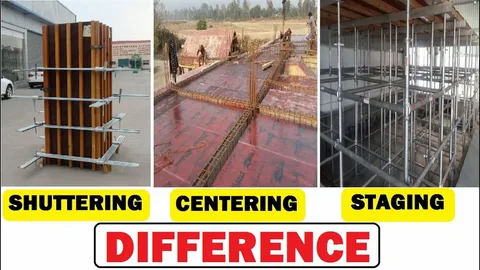

Shuttering is one of the most critical processes in modern construction, yet it often receives less attention than it deserves. Whether you are building a residential house, a commercial complex, or a large-scale infrastructure project, shuttering plays a foundational role in ensuring structural integrity, precision, and durability. In simple terms, shuttering refers to the temporary molds or frameworks used to hold wet concrete in place until it gains sufficient strength to support itself. Without proper shuttering, even the best concrete mix cannot achieve its intended shape or strength.
In this comprehensive guide, we will explore shuttering in detail—from its definition and importance to types, materials, cost considerations, safety practices, and modern innovations. This article is designed to be both beginner-friendly and insightful for professionals looking to deepen their understanding.
What is Shuttering in Construction?
Shuttering is the process of creating a temporary structure or mold into which concrete is poured and allowed to set. Once the concrete hardens and achieves the required strength, the shuttering is removed. The primary purpose of shuttering is to shape concrete into desired forms such as slabs, beams, columns, and walls.
Shuttering must be strong enough to bear the weight of wet concrete, reinforcement bars, and any additional loads during construction. It must also be rigid to maintain its shape and prevent deformation, which could lead to structural defects.
Importance of Shuttering
Shuttering is not just a supporting activity; it directly impacts the quality, safety, and cost of a construction project. Poor shuttering can lead to uneven surfaces, cracks, or even structural failure. On the other hand, well-designed shuttering ensures accurate dimensions, smooth finishes, and efficient construction timelines.
One of the key advantages of proper shuttering is improved surface quality. When high-quality materials are used, the finished concrete requires minimal plastering or finishing work. This not only saves time but also reduces overall costs. Additionally, good shuttering systems enhance worker safety by providing stable platforms and reducing the risk of collapse during pouring.
Types of Shuttering
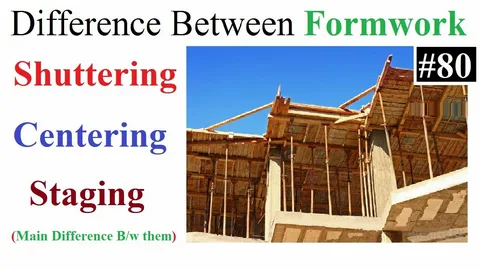
Shuttering can be classified based on structural components and materials used. Each type serves a specific purpose depending on the design requirements of the project.
Beam Shuttering
Beam shuttering is used to support horizontal structural elements known as beams. These beams carry loads from slabs and transfer them to columns. The shuttering must be carefully aligned to maintain the correct dimensions and ensure proper load distribution.
Slab Shuttering
Slab shuttering is used for horizontal flat surfaces such as floors and ceilings. It typically involves a combination of props, beams, and panels to support the weight of wet concrete. Proper leveling is crucial in slab shuttering to avoid uneven surfaces.
Column Shuttering
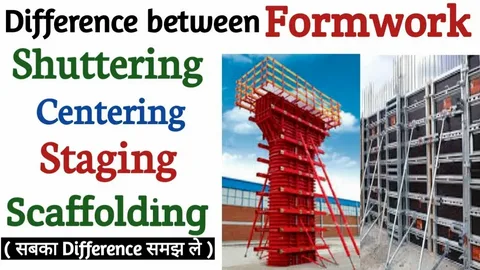
Column shuttering is used to form vertical structural members. It is usually made from steel or plywood and must be tightly secured to maintain the correct shape. Any misalignment in column shuttering can lead to structural instability.
Wall Shuttering
Wall shuttering is used for vertical concrete walls. It often involves large panels that are assembled and supported using ties and braces. Wall shuttering must be strong enough to resist the lateral pressure exerted by wet concrete.
Foundation Shuttering
Foundation shuttering is used for footings and base structures. It must be durable and resistant to soil pressure and moisture. Proper foundation shuttering ensures a strong base for the entire structure.
Materials Used in Shuttering
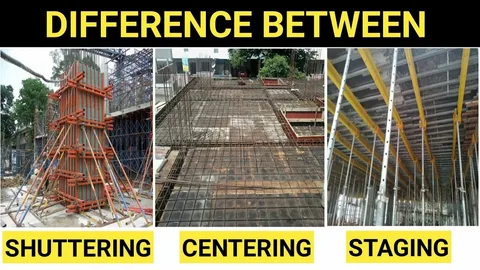
The choice of material plays a significant role in the effectiveness and cost of shuttering. Different materials offer varying levels of strength, durability, and reusability.
Timber Shuttering
Timber is one of the oldest and most commonly used materials for shuttering. It is easy to work with and can be customized for complex shapes. However, timber has limited durability and may warp or shrink over time.
Plywood Shuttering
Plywood is widely used due to its smooth surface finish and flexibility. It is often combined with timber framing to create strong and reusable panels. High-quality plywood can be reused multiple times, making it cost-effective.
Steel Shuttering
Steel shuttering is known for its strength and durability. It provides a smooth finish and can be reused many times without losing its shape. However, it is heavier and more expensive compared to timber and plywood.
Aluminum Shuttering
Aluminum shuttering is lightweight and easy to handle. It is commonly used in large-scale projects where speed and efficiency are important. Although the initial cost is high, its reusability makes it economical in the long run.
Plastic Shuttering
Plastic shuttering is a modern alternative that is lightweight, durable, and resistant to water. It is particularly useful for repetitive structures and offers easy cleaning and maintenance.
Key Requirements of Good Shuttering
For shuttering to perform effectively, it must meet certain essential requirements. First, it should be strong enough to support all loads without deformation. Second, it must be rigid and stable to maintain its shape during concrete pouring. Third, it should be leak-proof to prevent the loss of cement slurry, which can weaken the structure.
Additionally, good shuttering should be easy to assemble and dismantle. This reduces labor costs and speeds up construction. Reusability is another important factor, as it directly affects the overall project budget.
Shuttering Process Step-by-Step
The shuttering process involves several stages, each requiring careful planning and execution. It begins with design and layout, where engineers determine the dimensions and type of shuttering required. This is followed by material selection based on project needs and budget.
Next comes the assembly of shuttering panels and supports. Workers ensure that all components are properly aligned and secured. Reinforcement bars are then placed inside the shuttering before concrete is poured.
During pouring, it is important to monitor the pressure exerted by the concrete to prevent any deformation. Once the concrete sets and gains sufficient strength, the shuttering is carefully removed. This process is known as de-shuttering.
De-Shuttering Time
The time required to remove shuttering depends on factors such as the type of structure, weather conditions, and concrete strength. For example, vertical structures like columns can have their shuttering removed within 24 to 48 hours, while slabs may require several days.
Proper timing is crucial. Removing shuttering too early can lead to cracks or collapse, while delaying it unnecessarily can slow down construction progress.
Cost of Shuttering
Shuttering can account for a significant portion of construction costs, often ranging between 20% to 25% of the total structural cost. The cost depends on factors such as material type, labor, complexity of design, and project scale.
While cheaper materials may reduce initial expenses, they often result in higher maintenance and replacement costs. Therefore, it is important to balance cost with quality and durability.
Safety Considerations in Shuttering
Safety is a critical aspect of shuttering. Improperly installed shuttering can collapse under the weight of wet concrete, posing serious risks to workers. To ensure safety, all components must be inspected before use.
Workers should use proper protective equipment and follow established guidelines. Regular supervision and quality checks help identify potential issues early. Additionally, load calculations must be accurate to prevent overloading.
Common Problems in Shuttering
Despite careful planning, shuttering issues can still occur. One common problem is leakage of cement slurry, which weakens the concrete surface. This can be prevented by sealing joints properly.
Another issue is misalignment, which results in uneven structures. Proper measurement and leveling can help avoid this problem. Bulging or deformation is also common when shuttering is not strong enough to withstand pressure.
Modern Innovations in Shuttering
The construction industry has seen significant advancements in shuttering technology. One of the most notable innovations is modular formwork systems. These systems use prefabricated panels that can be quickly assembled and reused.
Another advancement is the use of self-climbing formwork, which is particularly useful for high-rise buildings. This system moves upward as construction progresses, reducing the need for cranes.
Digital tools and software are also being used to design and plan shuttering systems more efficiently. These technologies improve accuracy and reduce material wastage.
Advantages of Modern Shuttering Systems
Modern shuttering systems offer several advantages over traditional methods. They reduce construction time by enabling faster assembly and dismantling. They also improve safety by providing stable and reliable support.
Additionally, modern systems produce high-quality finishes, reducing the need for additional work. Their reusability makes them cost-effective for large projects.
Environmental Impact of Shuttering
Sustainability is becoming increasingly important in construction. Traditional timber shuttering contributes to deforestation, while modern materials like aluminum and plastic offer more eco-friendly alternatives.
Reusability is a key factor in reducing environmental impact. By using durable materials that can be reused multiple times, construction projects can minimize waste and conserve resources.
Best Practices for Effective Shuttering
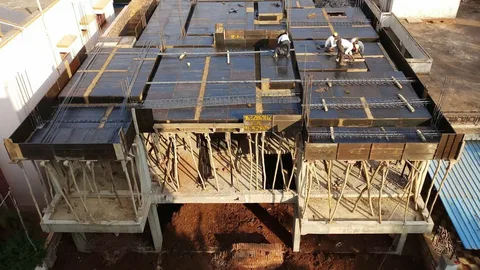
To achieve the best results, it is important to follow certain best practices. Always use high-quality materials that meet industry standards. Ensure proper alignment and leveling before pouring concrete.
Regularly inspect shuttering components for damage or wear. Use release agents to prevent concrete from sticking to the surface. Plan the de-shuttering process carefully to avoid structural damage.
Conclusion
Shuttering is a fundamental aspect of construction that directly influences the quality, safety, and efficiency of a project. From selecting the right materials to following proper installation techniques, every step plays a crucial role in achieving the desired outcome.
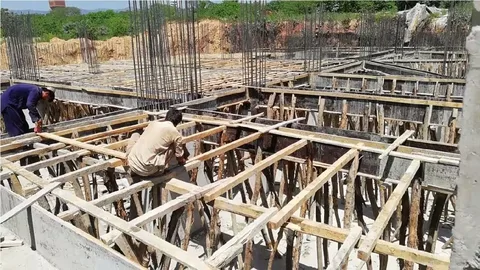
With advancements in technology, modern shuttering systems are making construction faster, safer, and more sustainable. However, the basic principles remain the same—strength, stability, and precision.
Whether you are a contractor, engineer, or homeowner, understanding shuttering can help you make informed decisions and ensure the success of your construction project. By investing in quality shuttering and following best practices, you can build structures that stand the test of time.